
Close Menu
    Facebook X (Twitter) Instagram Pinterest LinkedIn YouTube TikTok
    • Home
    • Submission Guidelines
    • Advertise
    • Mentorship
    • Editing Services
    • About
    • Contact
    Facebook X (Twitter) Instagram Pinterest TikTok
    The Children's Book Review
    Subscribe
    • Books by Subject
    • Books by Age
      • Ages 0-3, Infant and Toddler
      • Ages 4-8, Preschool to Elementary
      • Ages 9-12, Preteen and Tween
      • Ages 12+, Teen and Young Adult
      • Books for First Grade Readers
      • Books for Second Grade Readers
      • Books for Third Grade Readers
    • Favorites
      • Diverse and Inclusive Books
      • Books About Activism
      • Best Books for Kids
      • Star Wars Books
      • Board Books
      • Books About Mindfulness
      • Dr. Seuss Books
    • Showcase
    • Interviews
      • Growing Readers Podcast
      • Author Interviews and Q&A
      • Illustrator Interviews
    • Kids’ Book Giveaways
    • Directory
    • Podcast
    The Children's Book Review

    The Art of Writing Horse Stories

    Guest PostsBy Guest Posts4 Mins Read Ages 9-12 Animal Books Books with Girl Characters Chapter Books Teens: Young Adults Writing Resources
    Horse Book
    Share
    Facebook Twitter LinkedIn Pinterest Email

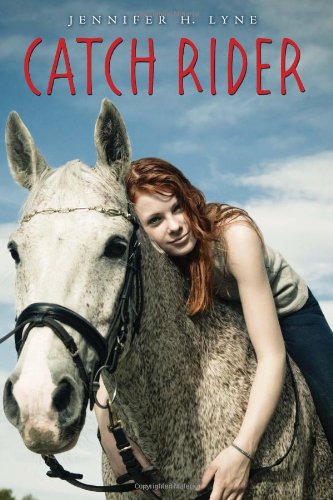
    CatchRiderJennifer H. Lyne was raised in Virginia, where she spent a lot of time around horses and eventually managed a small barn. She worked as a location scout for 14 feature films and with her husband wrote and produced two independent features. She lives in New York City.

    Lyne’s first novel, Catch Rider (Clarion Books, 2013), is receiving much praise. Graciously, she has agreed to share some insight into the art of writing horse stories.

    What Makes a Story a Horse Story?

    What makes a story a horse story, as opposed to a story that has horses in it? To me, a horse story is one that shows the richness of a horse’s character. By this definition, Catch Rider is – and isn’t – a horse book. Catch Rider is about one person, Sid Criser. She makes a point of not getting attached to horses, as many horse people do, because it’s too painful. Horses are simply too expensive and inconvenient to treat as pets. But Catch Rider is a horse book in the sense that a horse’s character – and I won’t tell you which one, in case you haven’t read it – becomes a central part of the story.

    A Horse Can Have its Own Personality

    People who own animals know that every one of them is different. It always surprises us that a dog or a cat – or even a fish or a hamster – can have its own personality. But they do. Horses are like that too, for sure. Some horses are honest and will look out for you; others are sneaky and not trustworthy. Some are wise and thoughtful, others are dumb and impulsive. I knew a horse who was always getting into trouble because of his dopey curiosity. He once waded into a nest of copperheads and almost died from the bites, because he was curious and would stick his nose into anything. I owned a horse who was very thoughtful and sensitive, but once she saw a person jumping on a trampoline, threw her rider, and ran out onto a major road to get away from it. But this was the same horse who was eating hay in her stall when a toddler wandered in and got up underneath her belly. She was a huge mare, and one false move could have ended tragically, but she froze when the child got under her, because she knew exactly what was happening. I had another mare who was dangerous in that she would throw anyone she didn’t like. I couldn’t teach a riding lesson on her. But she treated my 60-year-old mother like gold. My mother respected her and let her be the boss, and she knew it.

    I could go on and on describing the crazy things they’ll do, but the fascinating thing is that they are like people. I don’t know how intelligent the average horse is, because I’m not sure how to measure intelligence, but they are very perceptive. They know when the rider is scared or not, that’s for sure. This is why some horses are good “beginner horses,” –  they will take care of a scared rider and not hurt them.

    Show the Character of at Least One Horse

    So the art to writing a horse story is to show the character of at least one horse. Show how they are different from the others. I think the best horse stories show the loyalty a particular horse has for a person, and this resonates the most with teenagers because they’re navigating a confusing and lonely time in their lives. In my opinion, girls are drawn to horses at a time in their lives when they’re feeling scared and unsure about their relationships. They come upon an animal who will take care of them and have fun with them, and it’s a remedy for the confusion and pain of adolescence.

    For more information about Jennifer H. Lyne, visit: http://www.jenniferhlyne.com

    Add this book to your collection: Catch Rider

    What to Read Next:

    1. Kids Books for Horse Lovers
    2. The Art of Character Development
    3. Saying Good-Bye. A Brief Essay on Janie Face to Face
    4. The Art of Creating Fictional Worlds | Jaleigh Johnson, “The Mark of the Dragonfly”

    *Disclosure: Please note that this post may contain affiliate links that share some commission. Rest assured that these will not affect the cost of any products and services promoted here. Our team always provides their authentic opinion in all content published on this site.

    Horses Jennifer H. Lyne
    Share. Facebook Twitter Pinterest LinkedIn Tumblr Email
    Previous ArticleLearn, Laugh and Play with the Schoolies! | Book Spotlight
    Next Article Lunch Lady and the Video Game Villain: Lunch Lady # 9 by Jarrett J. Krosoczka | Review
    Guest Posts
    • Website

    The Children’s Book Review, named one of the ALSC (Association for Library Service to Children) Great Web Sites for Kids, is a resource devoted to children’s literacy. We publish reviews and book lists of the best books for kids of all ages. We also produce author and illustrator interviews and share literacy based articles that help parents, grandparents, teachers and librarians to grow readers. This article was written and provided by a guest author.

    Leave A Reply Cancel Reply

    This site uses Akismet to reduce spam. Learn how your comment data is processed.

    TCBR Supporter
    Recent Articles
    • 38 of the Best Kids’ Non-Fiction Books of 2025
    • 40 of the Best Picture Books of 2025
    • The Children’s Book Holiday Gift Guide | 2025
    • AudioFile’s 2025 Best Children & Family Listening Audiobooks
    • Dash and the Lights in the Sky | Awareness Tour
    TCBR Supporters
    sponsored | become a TCBR supporter today
    sponsored | become a TCBR supporter today
    sponsored | become a TCBR supporter today

    sponsored | become a TCBR supporter today
    Discover Kids Books by Age
    Best Books For Kids
    Media Kit: The Children's Book Review
    Author and Illustrator Showcase
    SEARCH
    BOOKS BY SUBJECT
    Archives
    Professional Resources

    Book Marketing Campaigns

    Writing Coaches and Editing Services

    Mentorship

    Facebook X (Twitter) Instagram Pinterest YouTube LinkedIn TikTok
    • Submission Guidelines
    • Policies
    • Advertise
    • TCBR Buzzworthy Mentions
    • About TCBR
    © 2025 The Children’s Book Review. All rights reserved.

    Type above and press Enter to search. Press Esc to cancel.