

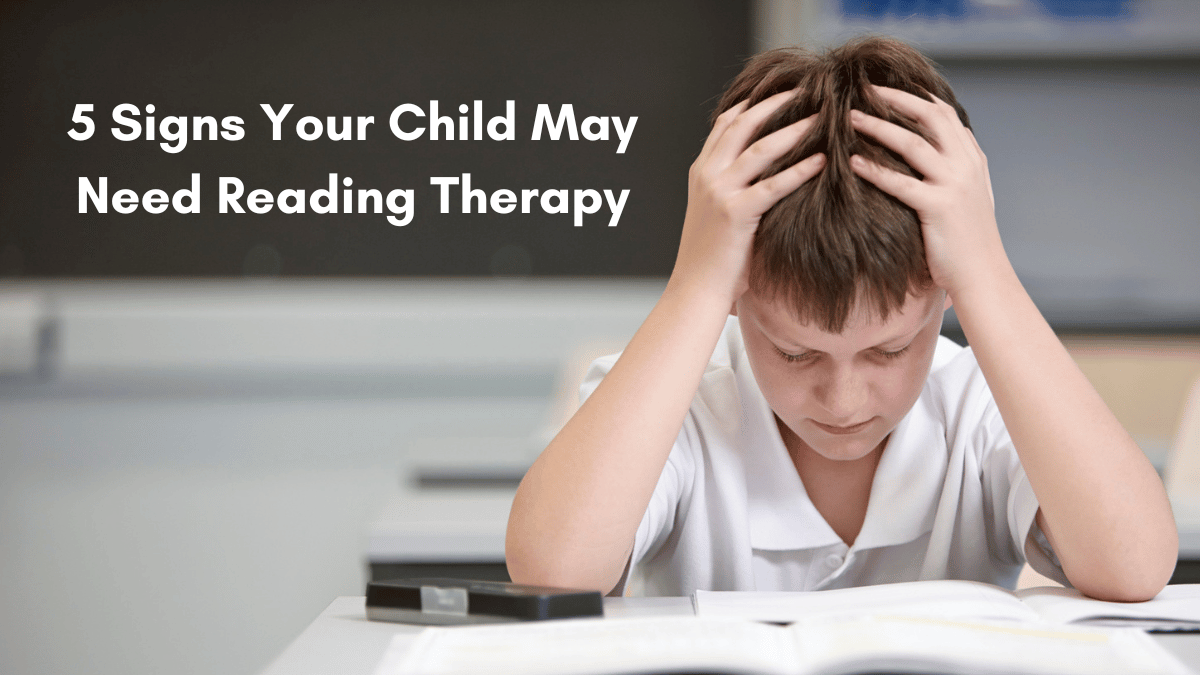
An article by author Clairmarie H. Field on Reading Therapy Recommendations for The Children’s Book Review.
Reading has become a topic of discussion these days. The posting of decreased reading scores in our nation can be seen and heard in the media every day. Our schools are not doing the job, if you believe the media. But maybe there is more to it than that. Family can do a great deal to encourage reading at home, but in the rushed stressful everyday life, reading often falls by the wayside. The fact is, if a child is not reading at grade level by third grade he or she will, most likely, never catch up.
While I lament the lack of emphasis on reading books in the home, I understand there are circumstances beyond control for many families. However, signs that a child may need reading remediation are there to be seen. The good news is that, if caught early enough, it can change the trajectory of a child. To be able to successfully pull words off the page and make meaning doesn’t come naturally to some children. This has nothing to do with intelligence. There are a variety of reasons why children may struggle with reading.
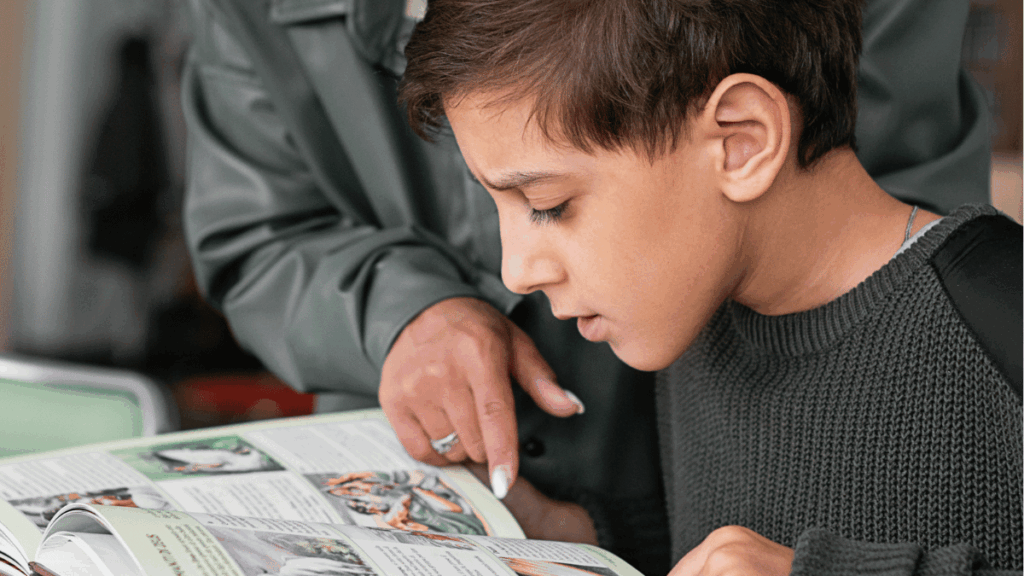
When children learn to read, they develop awareness that spoken word is made of smaller segments called phonemes. This is the alphabetic principle, however, while spoken language takes place at a preconscious level and everyone speaks, not everyone learns to read easily or naturally. The following is a list of reading related skills by age level, compiled from various studies and books about reading development.
Reading Related Skills by Age Level:
Early preschool – age 3 to 4
- Child develops awareness that words and sentences come apart
- Child can play with sounds that is recite nursery rhymes
- Child identifies 10 alphabet letters
Late preschool – age 4 to 5
- Child can bring spoken words into syllables
- Child begins to break words into sounds
- Child recognizes more letters
Early kindergarten – age 5 1/2 to 6
- Child continues to be able to count syllables in words
- Child can pronounce the beginning sound in a word when asked
- Child counts the number of sounds in a small word when asked
- Child can push phonemes together to make a word as in “ZZZ” and “000” to make the word “Zoo”
- Child begins to recognize sight words
- Child uses invented spellings
- Child can write his or her own name
First grade – age 6 to 7
- The child continues to progress with spoken language
- The child reads aloud with accuracy and comprehension in a first grade text
- A child can link letters to sounds to read unknown words
- Child can sound out (decode) one syllable words
- Child knows the sound of word families or common letter groups: like, bite, kite or ate mate, late
- Child recognizes sight words: have, said, where
- Child has a reading vocabulary of 300 to 500 words
- Self correct in reading
- Child begins to spell short, easy words
Second grade – age 7 to 8
- Child will be able to link letters to read unknown words
- Begins to learn strategies for breaking multiple syllable words into single syllables
- Begins to read, fluency read smoothly and accurately
Third grade age 8 to 9
- Child reads aloud with fluency and can comprehend text meaning
- Child uses knowledge of prefixes, suffixes, and roots to infer the meaning of words
- Child can summarize the main point from reading a text
- Child can correctly spell previously studied words
By this point in a child’s development he or she shifts from “learning to read” to “reading to learn”. All children develop at different rates and speeds. The above general guidelines provide a list for skills that most children should be able to master by given age grade.

Five key points to watch for in reading development are:
- If a child in kindergarten does not yet identify letters in the alphabet, it would be wise to begin to investigate the issue. Many parents start with the pediatrician who can refer to appropriate organizations for assessment in the area. The kindergarten teaching team should also be equipped to provide a basic assessment.
- If a child in kindergarten or first grade has trouble identifying beginning sounds, he or she may have a phonological weakness that needs to be addressed.
- If you are a parent of a second or third grade student and notice that your student is stumbling over words or not reading fluently, bring it to the attention of the teacher. Unfortunately, busy teachers can sometimes miss weaknesses that a parent may notice at home. If an assessment is not merited, often a parent or guardian can address weaknesses at home. There are many fluency programs available, but the simplest solution is to have your child read aloud to an adult for 15 minutes a day. Choosing subject matter that interests the child and doing this regularly there will bring improvement. Children enjoy charting their progress by doing before and after timed readings. They also enjoy retelling what they have read.
- If a child has trouble with expression, have your child write a to-do list, keep a journal or diary or write a cooking recipe. Reading and writing are not learned instinctively; they must be taught. The earlier appropriate instruction begins the greater the child’s chances are of becoming a fluent reader. Parents and guardians can reinforce these emerging skills by using games and other activities to make it fun. I have often observed that worried parents seek the help of reading professionals, if they sense their child is not progressing in school according to their own expectations. At times a reading specialist or therapist is merited, especially for a child who has not met many of the milestones listed above.
- Reading comprehension is an area with which students may struggle. Parents can discuss what their child has read and ask questions after reading a story. If a child consistently has difficulty talking about what he has read the problem should be addressed by a specialist. If a student does not understand what’s read, reading can have no meaning. If a student has decoding or fluency issues, he or she will not be capable of comprehending what has been read. A specialist can determine where the difficulty may be, and remediation may be offered to improve reading understanding.
Learning to read does take practice and loving to read is usually learned through the enthusiasm of parents, guardians, and teachers. Reading with a child is an immeasurable gift that will reap many benefits throughout school years and beyond.
About the Author
Clairmarie Field is a writer, reading therapist, mother of eight children and an animal lover. She is passionate about teaching children with reading difficulties to learn to enjoy reading. CM BookWorks has evolved from years of instructing children through remediation or enrichment. By nudging children to stretch their thinking, they can learn to view life’s challenges in a positive way. Clairmarie hopes that CM BookWorks will provide a resource for parents seeking thoughtful consideration of abstract concepts that are difficult for young children to grasp.
Clairmarie has written for Adoption Today, as well as community interest stories, and Justin’s Pet, her first book. She resides in Delaware with her husband and daughter, and of course her six cats, two dogs, and chickens.
To learn more, check out cmbookworks.com.

Find out more about Clairmarie’s latest book, Willie’s Gift:

Willie’s Gift
Written by Clairmarie H. Field
Illustrated by Maggie Sullivan
Ages: 5-7 | 20 Pages
Publisher: Mascot Kids (2025) | ISBN: 979-8891383289
Publisher’s Book Summary: Willie is a silky-beige and rust-colored Yorkshire terrier puppy with one problem. He was born with exceptionally large ears. He knows that he does not look like other puppies in his dog training classroom, and he feels a little strange. How will he learn to accept himself? In Willie’s Gift, read how Willie discovers the perfect solution while learning something very important about himself in the process.
Buy the Book
5 Signs Your Child May Need Reading Therapy (And What to Do Next) was written by Clairmarie H. Field.
