

A podcast interview with Alan Barillaro discussing Bunns Rabbit on The Growing Readers Podcast, a production of The Children’s Book Review.
What happens when an Oscar-winning Pixar animator who learned to read backwards steps away from the safety of monsters and sandpipers to write a novel for kids?
Academy Award winner Alan Barillaro shares the vulnerable journey of creating Bunns Rabbit—a story about finding your place in the world when you’re born different.
In this conversation, Alan discusses his middle-grade novel, Bunns Rabbit, and the surprisingly vulnerable leap from animation to prose. He opens up about his childhood struggles with dyslexia, the Roald Dahl book report that changed everything, and why he never feels “up to the task” despite his impressive resume. Discover how personal sketches from his children’s lives became woven into Bunns’s world, why he had to be convinced to write a novel instead of a graphic novel, and what it means to follow your heartsong when the world sees you as a bad omen. A must-listen for anyone who’s ever felt different—or anyone raising a child who does.
Subscribe to The Growing Readers Podcast to ensure you never miss an episode celebrating the creators shaping young readers’ lives.
Listen to the Episode
The Show Notes
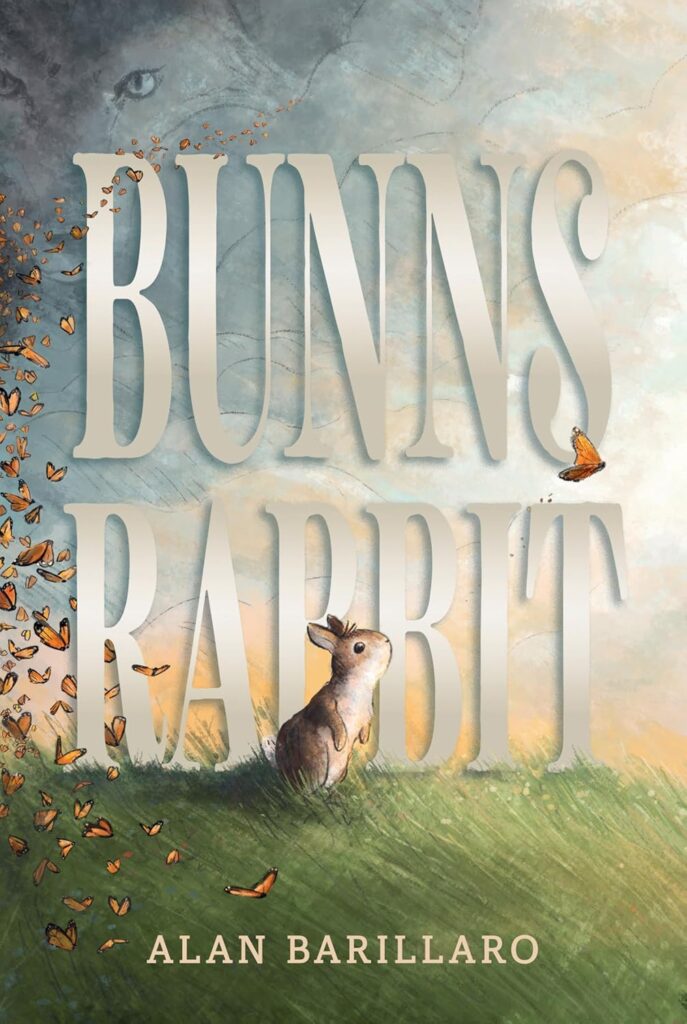
Bunns Rabbit
Written and Illustrated by Alan Barillaro
Ages 8+ | 336 Pages
Publisher: Candlewick | ISBN-13: 978-1536214673
Publisher’s Summary: For anyone who has ever felt different, Academy Award winner Alan Barillaro tells the deeply moving tale of a brave rabbit who sets out on a quest to save her home and family—no matter what it takes.
When Bunns is born with small but perfectly functional rabbit ears, the warren is abuzz with auguries. Surely such short ears spell bad luck for the community. Sheltered in her family’s burrow, Bunns listens to the rhythm of her mother’s heartbeat—Thump, thump, thump—a song of home and belonging. Her father explains that, unlike a rabbit’s words or thumping feet, a heartsong cannot lie. But the unknown world of the meadow, the sounds and smells above, call to Bunns. When at last she’s ready to brave the staring and whispering of neighbors who fear her because she’s different, and the disapproving elders who threaten to banish her family, she finds a world beyond the warren where myths and riddles, magic voyages, and important new friends await. Can the “bad omen bunny” follow her own heartsong to a destiny—a wish—meant just for her? Academy Award–winning director, writer, and animator Alan Barillaro’s graceful storytelling, warm illustrations, and dramatic graphic panels weave light and dark into a seamless tapestry to enchant children and adults alike.
Buy the Book
Additional Books Mentioned:
- Where the Water Takes Us: Amazon or Bookshop.org
- The Witches by Roald Dahl, illustrated by Quentin Blake: Amazon or Bookshop.org
- Revolting Rhymes by Roald Dahl, illustrated by Quentin Blake: Amazon or Bookshop.org
- Madame Badobedah series by Sophie Dahl: Amazon or Bookshop.org
About the Creator
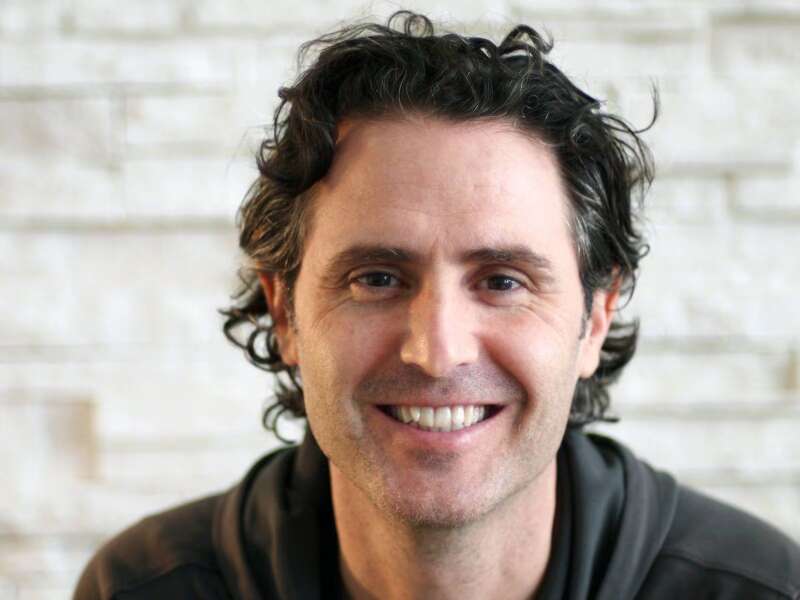
Alan Barillaro is an Academy Award-winning director, writer, and animator who has spent over 25 years at Pixar Animation Studios, bringing beloved characters to life. His directorial debut, the animated short Piper, won the Oscar for Best Animated Short Film in 2017. Alan has contributed his animation talents to numerous Pixar classics and now brings his gift for visual storytelling to children’s literature with his debut middle-grade novel, Bunns Rabbit.
For more: alanbarillaro.com
Credits:
Host: Bianca Schulze
Guest: Alan Barillaro
Producer: Bianca Schulze and Kelly Rink
Read the Transcript
Bianca Schulze: Hi, Alan. Welcome to The Growing Readers Podcast. My gosh, I’m so, so excited. You know, your background is just—I think it’s so exciting for our listeners. I think we’ve had so many authors and so many illustrators, and we’ve definitely had one animator, Molly Idle. She’s a children’s book creator, and she did animation as well. And so I just think having you is such a different voice in terms of your background on the show. It’s going to be fun to dig into. I want to kind of start with one of my signature questions, which I always give my first-time guests, and that is: to be a writer, they say you need to be a reader first. So was there a pivotal moment in which you considered yourself a reader?
Alan Barillaro: Thanks for having me.
Alan Barillaro: You know, it’s funny. I struggled as a reader, as a young reader, to start with. I actually am so left-handed and a little dyslexic that I learned in grade one to read the opposite way. And I was very stubborn, saying, “This is how I read. I go backwards and I come forward.” So I always felt a little bit on the back foot of reading, but then I loved it. And I would say there was a pivotal moment, probably in grade four or five, where a teacher said you get to make a book report on any book you like, not just the book in class. And I love Roald Dahl’s The Witches. And that was a pivotal moment for me because it was a moment where I felt I really had to do the book justice and look at the author and who’s this author and who’s this illustrator, Quentin Blake, who draws these really funny hands. It became a different perspective of looking at a story—someone constructed this, which sounds very simple to say, but it was that awakening of, like, “Wait, someone made this and they do this for a living. And is that a thing? Can you do that?” And I was obsessed at that moment. I think I can still draw like Quentin Blake. I just copied, copied, copied like most do when they start. There’s even a Quentin Blake over my desk here that’s of The Witches. That was just very pivotal for me—that moment of falling in love with reading and the idea of storytelling, that your imagination can just go to these places and take you along for the ride. It just felt unbelievable to me.
Bianca Schulze: Yeah, that’s so cool. I’m such a Roald Dahl fan as well. I grew up in Australia, and I feel like—I mean, he was just so popular when I was a kid. I have to ask, did you read his Revolting Rhymes?
Alan Barillaro: Yes. I’ve read—I don’t think there’s a story I haven’t read of his, all of his adult work. I kind of do these deep dives when I fall in love with an author where I not only want to read what they’ve written, I want to know what inspired them. And then they reference a different book, and then I want to know that artist. And then his drawings and World War II and the idea that he goes and eats candy—he has a little candy bowl that he, you know, his routine. I need to understand. It just becomes this—it leads me to all different artists and books and influences of Quentin. What about Quentin Blake? Who’s influencing him? What’s this magazine called Punch? You know, I just—it’s this tree web that all starts from the one story, including Revolting Rhymes, of, can I go back to the original? What were the originals? Grimm, you know, Grimm—especially when it’s like a Grimm story where you’re like, “Actually, it’s been quite changed over the years.” So I don’t know, I love the digging of that. And then his—I mean, Revolting Rhymes—there’s so many good drawings.
Bianca Schulze: Yeah, well, if you haven’t read his granddaughter—Sophie Dahl has the picture book series Madame Badobedah. And I mean, just—I just love the essence of those books, too. They’re weird and quirky and spot on.
Alan Barillaro: Yeah.
Alan Barillaro: Yeah, and really honest. I think that’s what struck me with Roald Dahl—as far as not talking down to the reader. It was one of those first lessons, whether I’m in film or when I’m working on animation or books—the idea of treating your reader as sharp and really not talking down to them. I felt like Roald Dahl always spoke to me like you would speak to an adult. And you just went, “Oh, you know, the honesty.” And there’s, like, some truth to what he’s saying, or cruelty. Like, he has all these little sides of him that as a young reader I found just really attractive, like, “Why is this guy talking like this? This is amazing.” And the characters, of course—you know, I was sure there were witches around me after reading that book, and I’m studying everybody very differently. “Why is she wearing gloves?” It’s to cover her, you know—just the imagination takes off, I guess.
Bianca Schulze: Yeah.
Bianca Schulze: Yeah, absolutely. Well, you’ve spent over 25 years bringing animated characters to life at Pixar and also, amazingly, won an Academy Award for Piper, which I have to say is my favorite animated short. Yet ahead of our conversation today, we emailed, and you mentioned that you never feel up to the task as a writer, illustrator, animator, or director.
Alan Barillaro: Thank you. Thank you.
Bianca Schulze: And so that’s so surprising coming from someone with your resume. So can you take us into what that voice sounds like when you’re sitting down with just a blank page and a pencil or maybe a stylus—no team, no rendering software—just you and Bunns Rabbit?
Alan Barillaro: Yeah, you know, if I’m taking myself to that moment with my sketchbook, I’m usually not even drawing on the first page because I don’t like the stress of it—of, “What is this thing I’m gonna create?” I draw with pen and a soft notebook partly because I don’t want to erase and I don’t want to get precious. So I try to talk myself into considering storytelling more like—and it’s a strange analogy, but like a garden. In a garden, you know, when you throw the seeds and you don’t know which tomato plant’s gonna grow up—I remember my grandparents, they would kind of just throw all the pulp, and the ideas are all just growing, and there’s no emphasis on which one’s important yet. And then, you know, they quickly—my grandmother would just pull out all the little plants that weren’t really growing, you know, and where are the strong ones? And you kind of see what comes out of that. And that’s kind of how I approach it. The insecure side of me, you know, I think—animators are very much like actors. We are the actors sometimes in a scene. Think of, like, WALL-E or Piper—you’re having to play the whole scene. And you always—there’s always a certain amount of vulnerability you have to kind of put yourself in. And I love that about writing. I actually found it extremely vulnerable, like, “Hold onto your seat” vulnerable. You’re really gonna just start the story, and it’s gonna be your voice, not a collection. As an animator, you get to hide behind a monster and say, “That’s not me. You know, that’s not me on stage.” And that gave me a really nice security blanket, but also slowly gave me confidence to become a writer and say, “Well, you know, I’m a little bit more exposed here. How does that feel?” I think it’s brave to kind of try to tell your story and just put it out there. And for everybody who’s trying, you have to kind of build yourself up a little bit in your confidence, or at least I feel I have to. You know, there’s a thing with acting where you say you’re as good as your last scene or your shot—this feeling that we’re all having to try and just put yourself out there and be vulnerable. And you wanna be around people that appreciate that and support that. And then you kind of gain your confidence through them. If that makes sense. But I don’t come to a project feeling—
Alan Barillaro: I can illustrate—even Where the Water Takes Us, my first novel, the editor convinced me to make it a novel. I pitched it as a graphic novel because I was too scared to tackle the prose, you know. So she had confidence in me. Same with Piper. I did not have confidence to make that film on my own. It was some people at Pixar, especially Andrew Stanton and Lindsey Collins—who were making Finding Dory at the time—who said, “You know, we think this could be a short film.” So there are always those people in your life that I really appreciate who support you in the right way. They don’t just put it on the fridge and say, “That’s great, you’re wonderful. Gold star.” They kind of look at it differently and go, “I see what you’re doing. This is where it worked. This is where it didn’t work for me.” And that to me is the key. I kind of come alive in those moments as far as the excitement for doing something.
Bianca Schulze: Yeah, yeah. I love that. Well, let’s talk about Bunns. Bunns is born with short ears and becomes what’s known as the “bad omen bunny.” So in animation, you’ve created characters loved by millions. But what made you want to tell the story of a character that her own community fears and wants to banish?
Alan Barillaro: You know, it comes from that sense of—you know, Bunns was—if you can boil it down to a word, it was, like, “belonging.” And where do you belong in the world at that age? Where do I fit in around me? And especially as you grow up and you leave your meadow or your little school or your family, how do you step out into that world? There’s those concepts. And then there’s also the side of me that’s just admitting I don’t look very far from my backyard for inspiration, you know. Piper, from my short at Pixar, is, you know, the sandpipers I see on the beach each day that give me an idea. And I see a character. And the rabbits that are born in our backyard that my daughter loves—that we would tell a story about as we walk to school every day—they just start to form. And I don’t know where that comes from other than just a deep curiosity of, like—and then a story being implied on that. What is this relationship? What does she do in the world, this rabbit? And it kind of spirals out of control in my imagination where I have these sketchbooks—where, you know, here’s one here where—I know it’s a podcast, but there’s a lot of scribbles of ink drawings that I keep in baseball games and practices. And I’m just kind of thinking as I’m going. So Bunns becomes this story that took me 10 years to write, so it just got bigger and bigger. And I was even writing the second book at the same time because I felt that that was really necessary to what this first book sets up in the series.
Bianca Schulze: Yeah. Well, you write in this story for Bunns a lot about the heartsong—so this idea that, unlike words or thumping feet, a heartsong cannot lie. So where did that concept come from?
Alan Barillaro: You’re gonna make me admit my strange logic and imagination of—a rabbit thumping is a language, right? This beat. And how similar that is to a thumping heart. And what if there was this character that, you know, rabbits are these sensitive creatures that if they got close enough, they could feel this song, this heartsong, that was this truth of how someone’s really feeling? So you don’t really—you can’t lie. So I might be saying to you something like, “I’m not scared,” but you go, “I can feel in your heart that you’re a little nervous right now in this interview. I can feel your heartsong.” And what if Bunns has—particularly has—this special gift, and what that means? And it comes from a place of, you know, in a divisive world of these characters, an unlikely hero that can kind of see the true intentions of people and maybe what’s hidden behind some bravado of a deer you run into or someone’s fear that might be blocking them from being more empathetic with each other. So it felt really right to me. Tracking that logic, you know, feel free to laugh and judge.
Bianca Schulze: Well, I’ll laugh, but I’ll never judge. You can’t see inside my mind. Well, I have to imagine that there’s something pretty personal for you about creating a character who listens to her mother’s heartbeat for comfort. You’re a parent, and you’re creating this story knowing that it’s for parents and kids to enjoy together. So what were you trying to give both generations with this story? Or maybe you weren’t trying—maybe you realized after the fact it gives something to both generations.
Alan Barillaro: Yeah, you know, it’s usually selfishly—I mean, I probably can go back to a rule from Pixar and not take credit for any of this, which is, especially early on in the days of those movies, we’d talk a lot about making things very specific and personal to your own family. And if your family loves it and really identifies with it, the odds are maybe another family will connect with it. So you’re not looking at it in, like, a marketing sense, but much more like, “This is what I deeply feel like—I’m writing this book for my kids.” At the time I start this book, my twins are eight, my daughter’s ten—three different, totally different types of readers. One’s off reading chapter books, the other one only graphic novels. The other one would rather not read at all and just cuddle. Bedtime reading is important to us. So what’s the story that could pull them together? And you can see even just in that first scene with the mom, I’m thinking of that and the closeness of reading to your kids and what book—I would love this book. Intentionally, I was trying to create this bridge between picture books and a chapter book where you’re just going, I didn’t want my kids to just jump to graphic novels as much as I loved them. So this is my plea to say, “All readers, you know, I promise you can handle a little more prose, and you’re going to love it.” The biggest compliment would be that they read Bunns Rabbit and say, “Look how thick it was. I’m gonna go read this chapter book next.” Because I remember those moments as a kid where it felt daunting to say, “I wanna read that book, but I’m a little nervous. That’s a lot of words.” So it came—I like to have this kind of practical side in my mind of, “What’s out there that’s not on the shelves for my family?” And then this other side of all these themes and things I’m worrying about as a parent. You know, even Piper, my film, I always say I wish I was the mom in that story. That’s the parent I want to be. You know, it’s my own anxieties of letting your kids grow up and not hover over them and how important it is. It just naturally gets tied to those things. But I was saying, like, I want the story for my kids. I want to be able to read that. This is the story I want to read to them at bedtime or hand over to them if they’re nervous about that transition. They’re always lofty goals, and they make me a little nervous to kind of admit them out loud. But I feel like even if you—you know, it’s a great place to start and kicks off the kind of adventure of writing a book.
Bianca Schulze: Yeah.
Bianca Schulze: Yeah, I do love that. I used to be a bookseller, and so many parents would come in and say, you know, “I really would love it if my kids could enjoy reading, but they didn’t want to make that leap from, like, a thinner book to a thicker book, right?” And at the time—so it was around 2008—a beautiful book had just come out, which was called The Invention of Hugo Cabret by Brian Selznick, and it went on to win the Caldecott. It also became that gorgeous movie that got nominated. And anyway, incredible. But that book, too, is so thick because of the illustrations. And I would say, “Here’s the book you need.” And the parents would look at me like, “You’re crazy. That is, like—that’s the opposite of what I’m asking for.” And I’m like, “I know. Open it up. Look inside. Look at this artwork. It carries part of the story, and it’s the bridge that you’re looking for.” And then they would come back in and say, “My gosh, they could not put it down.” So, like, just you sharing that—like, this is what parents are looking for, and finding that bridge between picture books and a love of reading. We lose so many readers in this stage because, you know, they don’t want to just stare at the words on the pages. But Bunns Rabbit is that bridge. So you’ve done an amazing job.
Alan Barillaro: Thank you. And it’s great. It’s, you know, after a 10-year journey, it’s one of those—it’s one of those moments where you really have to bet on it, you know. And I really appreciated Candlewick being behind me. It’s a big ask to say, “Can I make this with hundreds of illustrations? By the way, we’re going to be editing the words and the pictures simultaneously, you know, instead of a locked manuscript.” I really felt like that play has to be between language, the prose, and images. I never love a story where someone reads a paragraph and explains the meadow, and then you have a drawing that shows the meadow all over again, and you’re like, “You wanna balance these things and have it be this nice handoff.” And mentioning Hugo, that was obviously, like, a template for me of what could be done in books and how it can just shatter your expectations of where it can take you. It’s like, I love that influence, and it just comes out a different way in your work. You’re like, “Wow, so what’s right for this story then?” And it gives you—makes you a little braver to go, “Wow, how did he even tackle that?” And I’ve learned over time to forget about time and know this is all very glacial. Like, so a short film that’s six minutes—it took me three and a half years with lots of people. So, I don’t know if it helps for writers out there that might be listening or parents who want to write books—I think you let go of that completely and you just say, “What’s right for the story?” And 10 years, 15 years is not to me by any means a tragedy. It’s just—it’s what it takes. Anyway.
Bianca Schulze: Yeah, I don’t know what it is, but I feel like almost every guest I’ve had on this year—and I’m so lucky with the guests that come on this show—but they’ve all said it’s taken, like, nine years, 15 years. I mean, the time it took from that seed of the idea and the full gestation of a story to come to this book that we get to hold in our hands as the reader—it’s blowing my mind. But I think what you just said is so true. We feel this pressure of time, but really, if we can let go of that, there’s so much space to create beauty.
Alan Barillaro: It was the biggest lesson for me—one of the big lessons, anyway, at Pixar—where Brad Bird would come with The Incredibles, and you talk to the director and find out they’ve had this idea for 10 years. The work that goes into these things to be thoughtful and also the feeling that it’s a privilege—you don’t want to waste a reader’s time and see the first version of something. And I think from film and animation where I’ve had to do many versions until it gets right, you know, something like WALL-E, we do the performance. It’s very much like Buster Keaton vaudeville. You try it, try it, try it. “Is it working now?” There’s rehearsals and screenings after screenings, years after years. And that’s our version. And that even doesn’t feel done. It just feels like we had to stop. So it feels like that with Bunns to me—that the story keeps going. I’ve done the version, but if you said I had another month, I would jump right back in. You just want to give the best version of that story, of what you have to say. The more time you have, it doesn’t get bigger. It actually starts to condense, and the story gets, hopefully, more efficient. Yeah, I guess I love talking about that because it was such a roadblock for me that I put judgment on my writing ability on time. And I never did that with my art. It took forever to learn how to draw, to animate. You have to know anatomy. You have to understand the mechanics of muscles before you even can start moving a character. But for some reason, I felt like when I looked at a different art form of writing—even though I’ve always tried my whole life—I put this pressure on myself that if I can’t write the story from start to finish, I’m not a writer. And that’s a shame. I think that’s a real shame that we put that—it’s a bit of that fallacy, even as an artist, to say, “I did this by myself.” Like, you’re always reacting to another artist around you. I love—one of the first things I do if I’m speaking to students is try to show those parallels of, you know, it’s Pet Sounds to Sgt. Pepper. Everybody’s reacting to one another. You know, Picasso, Matisse—there’s—if you think there’s an artist you love, I can bet you anything they’re reacting and having this wonderful conversation with someone they might even disagree with. But as a reaction, their work is because of someone else. And I find that very comforting that, you know, I will react to the book Hugo as much as—and then I hope someone will react to mine and say, “That’s not right. I think they’re saying it wrong. I want to—I would say this, you know.” That’s beautiful movements in the art form that keep it propelling forward.
Bianca Schulze: Yeah.
Alan Barillaro: Yeah, I’ll be quiet now. I get too excited about that kind of topic.
Bianca Schulze: No, you do not need to. So the next thing I actually have to say—it kind of follows on from that perfectly. And so just to sort of set up the question a little bit, I think it was a Vanity Fair article that you’re quoted in when Piper had just come out, and I think John Lasseter—maybe you were in a stuck moment, and you really wanted to add, like, some spoken words, right? But there are no spoken words in the final. And John Lasseter pushed you and said, “No, like, you don’t need it. Just keep digging.” Along those lines, my understanding is that you’re someone who likes to stay intentionally uncomfortable in your creative process, and you avoid knowing every plot turn or exactly how illustrations should look. So why do you think that not knowing where the story is going as you create it could lead you somewhere better?
Alan Barillaro: Great question. It’s a big part of, I think, any type of storytelling—that you are also the reader and the writer at the same time. And you want to have that same excitement. And there’s just been too many great examples at Pixar where I’ve watched a brilliant director or writer get themselves into a jam and purposely put themselves there and find a way to get out. And it’s one of those moments where you’re in the movie or the book and you go, “What could happen?” And I—I think that doesn’t come from, like, “I’m so clever. I have this great little twist.” It really is, at least for me, I don’t know either. I will draw—even I’ll put myself in that place where I’ll do a sketch that I don’t even know how I get to. I just go, “If I could get there, wow, where would that take the story?” And maybe it leads to a dead end, but I’ll learn something on the way. Often it leads to a surprising twist where we all have this—we all have that clock. You know, we’re reading, and there’s that Act II kind of slowness, or in the middle of the book, you’re like, “Okay, where are we?” You had it at the beginning, but where is this really headed? I really love listening to that voice and going, “Oh, you’re right. This is—you know, I had all these wonderful plans that I had set out. It was gonna be a perfect dinner. Everything was all set up, but something has to change right now. We’re treading water.” And that to me is really exciting. Even in the making of the book, when I—there’s a rule I felt like—I’m saying too many rules because there really are no rules—but there’s a reaction I had when I would see the early screening of a film at Pixar where you would maybe get to read the script of WALL-E early on or see a first screening, which is very loose storyboards, almost like a comic strip. If I wasn’t particularly scared of that idea of, like, “How would we make that? It’s not working”—if I didn’t have that feeling, it wasn’t right. Like, to me, it wasn’t—I wasn’t right for it, or my story that I was writing is not working. I think because it means that to me that something—it’s very derivative. There’s something about this that you’re onto something, but it’s not quite there yet. If you’re scared, you don’t know how to make it—you’re in really good shape. So Piper, I had no idea how to finish that film. I came off of WALL-E, and it was very—and the pantomime type of acting that I wanted to do and the story wanted to tell, it was going to be a tightrope walk. And even technically we didn’t know how to do it. I just learned to lie and say, “I will figure it out,” and say, “Yeah, I know.” But we really didn’t. And that to me is the beauty of all kind of storytelling and the kind of technology that’s associated with CG animation also—or any art form moving forward. Same with books. If there isn’t something that is also driving me to push on something—whether it’s technical, the side of the, you know, the structure of this book, can I mix a graphic novel with a chapter book, what problems will arise?—I get sleepy on the idea, and I just can’t sustain the energy. It was a very long-winded answer. I apologize, but—
Bianca Schulze: Well, but I think that’s the creative path. The creative path to get to something beautiful is long-winded, you know. Well, one of my favorite books on storytelling, the craft of storytelling, is John Truby’s The Anatomy of Story. And he’s one of the most respected story consultants in the film industry. And the book is really about building compelling narratives for the screen. But as someone who’s now working across both mediums, what surprised you most about the difference between writing for the screen versus writing for the page?
Alan Barillaro: I think the difference for me was perhaps when I was moving more towards literature—I love the structural changes. I got to play with the inner voice, how close I could get to the character. You have to come up with very physical, visual, external things in movies. And the depth—it’s wise. I’ll read the book before I ever watch a movie. It’ll just hit me so much. There’s this lesson there that I love—movies and books that allow the reader to bring themselves to the story and allow space for it. And that to me is a huge deal. And that’s why I lean, when I’m in film, towards more pantomime, quiet, because I feel like I can’t compete with the creativity, with the kind of imagination of the audience and what their experience is going to bring to it. Books teach me that. It might be strange to say, but I can name short stories, novels that I was reading that influenced my work on certain movies. So which short story I was reading that made me wish I had that type of sparseness, let’s say, or strip back my performance in a way that allowed the audience to kind of react. So writing—having that freedom to go and be in the thoughts of Bunns and really spend time—to me is so rich. It makes books—it might be funny to say, but I felt like I had to work on that many movies and work, you know, even win an Academy Award before I’d even dare write a story. That’s how much I revere writing and books and being in a bookstore. So my confidence had to be slowly built to even attempt it. Because I think that’s the beauty of a novel or short story or poem—it’s hard to compete with. I just feel you’re bringing—you can’t compete with the person bringing so much of their own life to the story.
Bianca Schulze: Yeah. Do you see Bunns Rabbit on the screen as well? Is that a goal or a dream for Bunns, or is this purely just in your mind for the page?
Alan Barillaro: I always see things in animation. I would love to see the film version, but they are versions, and they are different art forms, and they do have to take different turns. So this is the perfect version and the one I wanted to write. You know, after Piper, people asked me what I wanted to do, and it was Bunns Rabbit, and it was a book—no question, no question. But after that, after that time and the story—I do, you know, it’s almost like an artist where you work in oils and then you say, “What would that feel like as a watercolor?” A sculptor—you recognize the difference, but there’s an excitement. And even in my—I did a little book trailer where we’re animating it. You can see I’m already animating a rabbit and having some of these moments come to life. Yeah, yeah. They’re definitely movie scenes in my brain, but I’ve always had that. That’s back to reading your first picture book and going, “There it is.” There’s that part of it that I can’t shut off.
Bianca Schulze: Yeah, well, I was on your Instagram feed earlier today, and just even the sort of butterfly animation that you’ve pulled from the book was so beautiful.
Alan Barillaro: Thanks. Thanks.
Bianca Schulze: So I do have to ask, on behalf of my own writer heart, but also any of our writer friends that are listening who do have dreams of seeing their books on the screen—and I think it’s important for everybody to dream, and there’s no one way to get somewhere specific. But what advice do you have for anybody? And even young readers who—when I was a kid, I wanted to be an amazing movie star, right? Like, so many kids.
Alan Barillaro: Yes. Yeah.
Bianca Schulze: So what advice do you have for people that maybe want to see their characters be on a screen, whether it’s a TV screen or a big giant cinematic screen?
Alan Barillaro: Yeah, you know, it’s the life of an artist to look at different mediums and go, “How would that work if I was to sculpt that and bring myself to that medium, to writing?” And it’s really fulfilling in how that shapes you. Even if it could—on one hand, it could look like a goal that if you didn’t make it into a movie, it would be a success. I think we’d be missing the point of how much you’d get out of that experience of trying to do a little animation yourself, or, “What if I wrote it as a screenplay?” To me, they’re all beautiful experiences where then I take forward, and it might move me in a direction—just like we talk about in a story that you’re writing, your own life—where you go, “I never ever thought I would move in that direction.” So I don’t like being pigeonholed. I don’t like saying, “I can only be an animator.” Then you—”That means you can only write for movies. And that means you can only write for books.” And, you know, my next book will be a picture book. And I have this part of me that just wants to try things. I would love to write a stage play, and I would love to write an adult novel. I don’t love getting caught up in the marketing, especially when we talk about how slow this stuff moves. You hear me say 10 years—then I’m not chasing what’s popular this week. I’m trying to chase what I’m after, what I’m trying to say, and get better at that. So I would say if you wanted to make your book a movie, think on that and look at how movies are constructed. And maybe that’ll also influence how you’re writing your own stories. Maybe you’ll get that chance. I write screenplays, and they don’t see the light of day. It doesn’t bother me that I might do a version of Bunns and have scenes blocked out in my head and written a script that doesn’t get made. It feels all like the right thing to do.
Bianca Schulze: Yeah, yeah, yeah. No, I think it goes back to listening to your heartsong, right?
Alan Barillaro: Yeah, yeah. Well said. Well said. Yeah.
Bianca Schulze: Well, so Bunns Rabbit does beautifully, like we’ve talked about before, fill that gap of kids progressing from picture books to chapter books. So, you know, I’ve said it before on this show that, like, that zone of a child’s reading is just so integral in helping them continue to find the joy of reading so we don’t lose them forever. I love that the format of this book, which you mentioned already, is that mix of prose—it’s got graphic novel elements and, like, the heavy illustrations. To me, it was so wonderful to hear you say that you were working simultaneously on the art and the story because I just want to say, as a reader, you know, and somebody who sort of dissects stories often in my head, I was looking at this, and I was thinking, “Wow, the flow of this is so incredible,” because often there’ll be some spot art in an illustrated book, you know, and so they’re just kind of selecting, “Where can we have a break in the page, and can you give us some art for this?” But I was thinking to myself, “This was so incredibly done.” So, you know, in a nutshell, just tell us a little bit more about that process of just, you know, when you would decide to create a piece of art, when you would decide it would be panels, you know—just tell us a little bit about that.
Alan Barillaro: Well, you know, being naive to how books are made is sometimes a valuable asset into going into this. I went in not having a lot of background into how that’s done and the strictness of why that’s done. So I went in with my instincts of, “Well, I obviously draw and write, and I’ll be editing both at the same time and trying to find the best way to express, let’s say, this page or this chapter.” Traditionally, you’d be in a place where there’d be a piece of artwork and so much space for the writing would already be locked down. And I would say, “I think I need to make more space for this drawing.” I love the dance of going back and forth and which one has more importance. And that does mean that the prose are not above the illustrations, and there’s no hierarchy here. And that comes from film—sharing a scene with acting. And there’s a very specific thing that happened at Pixar that I think might be valuable to, like, why I landed in this position. Traditionally in films, you’d be cast a specific character. So you would just play Woody, and you’d just play Buzz. And a lot of the times you can start upstaging each other because one’s acting on the left side of screen, the right, and it becomes this very loud, big thing. And that’s, like, the worst thing you could ever do. Where I was working at Pixar, which was—the same animator would animate Buzz and Woody. And you have this very nice balance of going back and forth. “Who are we paying attention to?” You watch Buzz move, and he’ll say, “Woody.” And that dance to me is what I’m bringing, I think, to the book—where I want to have them feel that. What it meant practically was a ton of revisions—hundreds and maybe thousands of drawings thrown away. I just said, “That’s what I’m used to in animation, so why wouldn’t I be used to it in this?” So it was tiring to say, “Okay, once we put the book up with the art director, we have some flow problems, and let’s deconstruct this.” But that’s exactly what we did. And that’s what a good art director tells you—just like an editor in a movie. You can’t see it quite yet. But when Anne and Hayley say, “Whoa, you know, this is a little slow here,” and then I said, “Okay, I’m going to come back to you with condensed chapters and a new flow and new illustrations.” Those are so valuable when you have that team. That team is so critical. You know, the idea that you do that alone—a lot of the times when I’m working, I feel like I’m turning over an hourglass, and I’m going to go blind by the time that hourglass goes, and I won’t be able to see things as fresh. It’s partly why I work on different stories at the same time—because I want to be able to stop on one and jump onto the next and try to come back to it with fresh eyes. Which, again, time is your friend. If you wait a little bit, it could help you.
Bianca Schulze: Yeah.
Bianca Schulze: Yeah. I’m really seeing this theme right now in our conversation of time. When we have peace with time, things tend to progress, right? But when we put the pressure of time on, we can also start to feel more precious over our words and the artwork. So I’m loving hearing from you on how you’re so comfortable with tossing away what’s not working rather than being focused on the amount of time and effort you already put into those, because that time and effort that you put into those is actually what leads you to creating what’s right, right?
Alan Barillaro: Well said. Well said. And in a much more condensed way. Thank you. I think that’s exactly right. Animators—I mean, Chuck Jones, the famous Warner Brothers animator—as soon as you start school, I remember our teacher sat us down and said—his quote I’ll paraphrase, but it’s something like, “Yeah, everybody has a hundred thousand bad drawings in front of them first that they have to kind of get rid of before they can do the one drawing.” And it just puts it right to me from day one of where you’re starting. “Get those hundred thousand drawings out.” It’s the best saying if you think your first drawing is important. That’s crazy. And why not bring that to writing? You know, if you look at—I love sketchbooks because they’re real journals. Too often the Instagram kind of world presents artists as, like, “Here’s—would you like to see all my perfect drawings?” And which is—it’s really unfair to young artists who are starting out because it’s not true. They should all be—they should be you and your journal. And it’s a diary of all your thoughts and scribbles and mistakes. And I look at a Degas sketchbook and look how many times he redraws the hand. And I love looking at books that show the editing of a writer and the first loose drawings and, like, The Paris Review that shows how much we correct and go over it. That’s the truth to me. That’s the truth of it, versus presenting it as, like, “I just—I just did this book. It’s really easy.” And, “I draw—I draw Bunns and then I write what I write.” Absolutely not. Throw chapters out. Take wrong turns. That’s the wonderful journey.
Bianca Schulze: Yeah.
Bianca Schulze: Yes. Well, so then when we have the finished book and all of that time and effort that’s gone into it—like, from this particular book, Bunns Rabbit, what is a highlight for you? Is there something that you feel the most attached to? And I’m curious if it ends up being a piece of art or if it’s, like, some prose.
Alan Barillaro: Yeah.
Alan Barillaro: You know, there are little moments where you feel like, you know, maybe Bunns meeting B or these little moments that you feel like, “I think I landed in the right spot where what I was trying to say feels the most true of that kind of seed of the idea.” Or I do love in the story where no adult is really trustworthy in the sense that they all have their own beliefs. They all have their own superstitions. They feel certain ways. And it’s up to you as a young, you know, character, hero, heroine in the story, Bunns, to go, “Who’s right? Who’s wrong?” It feels true to me. But then there’s this other layer because you’ve worked on something for so many years that I feel does resonate, which is your personal experiences are in there. So the drawings are sketches that I’ve done at my son’s baseball game and the tree. There’s very rarely am I imagining something. I’m more remembering the moment that this little island that I would swim to as a kid, this rabbit that’s in my yard, the bird that flew by—I try to put in as much specificity. And sometimes I’m very literally sitting down—you know, my daughter’s drawing, she’s drawing a monarch, I’m drawing a monarch—and those drawings are filled through years in my sketchbook. So it becomes very personal, you know. It might look like a hillside to everybody. And that’s exactly what you want. But that’s walking in Bodega Bay where I’ve shot a lot of Piper, doing live-action reference, but also the shell that the crab in Piper runs into—the hermit crab—that shell my daughter found on the beach. And we took photos, and we put it back in the ocean. And that has this special meaning that I do feel transcends. And you just kind of feel in the story that if everybody puts their personal touches in it, somehow the reader and the audience feel that in a different way.
Bianca Schulze: Yeah, absolutely. I just want to share quickly what my favorite illustration is because it just felt really striking to me because, as somebody who doesn’t illustrate or draw or create visual art, I always have this fascination of how clever it is when an artist can create something that’s so dark and also bright and glows at the same time. And so I love the illustration when the fox is just looking straight at the reader with this very dark background and just, like, the glow of the grass underneath the fox. It’s so beautiful to me. And I just find it so clever when artists can pull off something that’s so dark and so light but that it also has kind of hazy, blurry, smudged edges. Like, it isn’t just, like, a dark line next to a white line, you know. Anyway, that’s my favorite.
Alan Barillaro: Thank you. I do like that one, too. It’s fun to play with, you know. And the publisher—a lot of credit to be able to pull that off, those darks and those contrasts. There’s something in film called a color script, and I still do it for books, which is colors through the chapters and just what colors strike you. So there’s this own storyline of just emotionally where it’s taking you—just so you zoom out and you go, “Well, that feels like the story.” And much in the same way, I’ll listen to, like, only a few certain songs that feel like they put me in the tone of writing. I don’t know that—so I appreciate that you like that drawing, too. I do as well. A lot of the times I just want to correct everything I’m seeing, so I see the mistakes. So I won’t tell you all the mistakes I see in that drawing that I want to—I’ll just say thank you.
Bianca Schulze: Yeah, I love that. I love that. Well, okay, so, like, how do we talk about the book’s ending without giving away the ending? So, without spoilers, I’m just so curious if you can tell us where Bunns’s heartsong is leading her. And more importantly, what is your heartsong telling you these days? So where is this journey leading you as a creator? And what are we going to see next from Bunns?
Alan Barillaro: Well, I can’t—you know, with the first book, without giving it away as well, there’s a lot of what we call in film Easter eggs for what’s gonna—what’s planted in the first book is actually a lot of payoff from the second. Meaning you’ll be able to hop back and go, “That character was in the illustration—that’s gonna show up and be a big part of the second book.” But as far as her heartsong, what the story’s about, you know, I think the first book is about belonging and finding your place in the world. I love stories where you find a place in the world versus just simply, like, a story about conquering it and this kind of, like, solo mission. But where do I belong in the greater world? And then as we leave the meadow, Bunns is going to enter that world. And then she’s going to have to take that next step, which to me matches a young reader’s journey, which is, “Where am I in my own family?” But then, “Where am I as a citizen of the world? And then what do I do with that ability and that knowledge?” So Bunns is going to face that in the second book in a big, big way. That’s what I can say at this point.
Bianca Schulze: I’m excited. So on that note, if Bunns could give one piece of advice to a kid who feels like the bad omen in their own warren—whether it’s because they look different, they think differently, or just don’t fit the mold—what do you think Bunns would say to them?
Alan Barillaro: I think Bunns would ask you to be true to yourself and that she would remind you that everyone feels that way. And that’s what she recognizes. And there isn’t a single character in the story, she might point out, that doesn’t feel this way—that doesn’t feel a little different and either is overprotective about that difference or overcompensating. It’s a very human feeling. And we can all be empathetic to one another knowing that. I think Bunns would lean on that and be really supportive and probably snuggle up with you and do some very cute bunny stuff at the same time.
Bianca Schulze: Gosh, I’m such a crier, so, like, you’re making my eyes water. That was such a great answer. I love that. I love that. Well, Alan, thank you so much for sharing not just the story of Bunns Rabbit, but your own journey as a creator with us today. Your willingness to stay uncomfortable, to trust your heartsong, even when you don’t feel up to the task—that’s the kind of honesty that I think really does resonate with so many of us. So I hope young readers everywhere discover Bunns and say, “Look how thick this book is. I read it all on my own.” And I hope they learn what Bunns teaches us—that being different isn’t a bad omen. It’s often the beginning of something extraordinary. So thank you for being here. And I can’t wait to see where your heartsong leads you next.
Alan Barillaro: Thank you, Bianca.
Alan Barillaro: Thank you so much for the time. Real pleasure. Thank you very much.
