
Books For Third Grade Readers
Everything you need to know to support your third-grade reader.
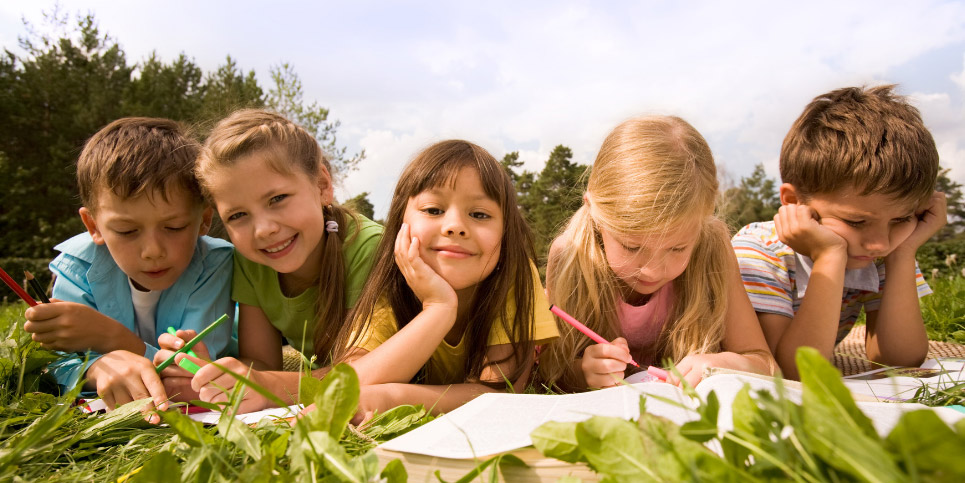
If you have been watching your child’s reading progress with eager anticipation since that first touch-and-feel baby book, then the third-grade reading level* is a time to get really excited. While readers at first– and second-grade levels are, for the most part, still learning the fundamentals of reading, the third-grade level is when readers tend to start finding their reading wings. From greater reading confidence and ability to a sense of independence in the topics and genres they choose, readers at the third-grade level are busy developing more complex reading skills at this stage in reading development.
More broadly, the third-grade level is a transitional period in which readers build the skills they will need to tackle more complex educational tasks; readers at this level are transitioning from learning to read to reading to learn. Much of a reader’s later academic success will depend on the skills developed at this critical stage. In this article, we’ll outline key skills to look out for and support, as well as some of the choices you can turn to support your reader’s fledgling independence.
Remember that not every child develops reading skills (or any skill, for that matter) at the same pace, and children of the same age may have widely varying reading levels. A child in third grade will not necessarily be reading at a third-grade reading level—they may be reading at a first– or second-grade reading level or a fourth- or fifth-grade reading level or above.
Supporting A Third-Grade-Level Reader’s Growing Confidence and Reading Ability
Your third-grade level reader is probably reading at least some texts independently and has developed a good-enough command of language to be able to appreciate plot and meaning. According to the common core standards, a reader at this level should be reading some multi-syllable and irregularly spelled words, self-correct mistakes, and answer text-specific questions. Developing these skills means that they are ready for more challenging reading tasks.
To help your third-grade level readers progress at this stage, encourage them to branch out and explore new authors, genres, topics, and writing styles. Provide reading-related tasks and questions that help them understand non-literal expressions, such as metaphors, and encourage them to express opinions, make comparisons, and talk about books.
This stage is also the right one to start introducing supporting skills, such as looking up unfamiliar words, judging the quality of a book, and understanding context. Show your reader how to use tools like dictionaries and search engines, encourage them to articulate the strengths and weaknesses of a book, and urge them to research authors’ lives and the historical periods in which different books were written.
Finally, as your reader develops more complex reading skills, you will want to be on the lookout for emerging reading disabilities. Research suggests that intervention received at the second-and third-grade readings levels is much more effective than that delivered at a later stage.
Choosing Books by Subject Matter to Support Developing Third-Grade Reading Skills
As already mentioned, the third-grade level is the ideal time to start exploring new things. There are several areas worth exploring as you help your reader choose exciting new books.
Historical fiction can be a great way to help your reader flex their comprehension muscles and explore context simultaneously. Ellen Levine’s Henry’s Freedom Box, Yona Zeldis McDonough’s The Bicycle Spy, and Patricia Polacco’s Fiona’s Lace are great choices.
If you are homeschooling, classic fiction—think Pippi Longstocking, Roald Dahl novels, or fairy tales—are a great option because so many supporting educational materials are freely available.
While many readers will gravitate to fiction, it is also worth remembering that fantastic non-fiction options are available for this age group. Look for biographies, like Joseph Bruchac’s A Boy Called Slow or Ann McGovern’s The Secret Soldier, or informational texts—National Geographic has offerings on just about every subject under the sun, from dinosaurs to soccer.
Choosing Genres and Forms to Support a Wide Range of Interests and Literacy Skills
The third-grade level also opens up a range of new forms and genres of text for your reader to enjoy. Series books can offer a sense of familiarity and security and are an excellent choice for reluctant readers (although they pose a risk to variety and breadth of reading matter). Captain Underpants, How to Train Your Dragon, and Wayside School are all popular choices, with enough substance to challenge as well as entertain.
Don’t forget to include some poetry: Roald Dahl’s Revolting Rhymes, books by Shel Silverstein, and Dr. Seuss‘s stories are all great choices.
Readers at this level can also branch out from the written word to other forms of reading: magazines, audiobooks, and graphic novels can all be fantastic ways to introduce your reader to new ideas and develop broader forms of literacy. For example, the Adventures in Cartooning series by James Sturm will help readers build their drawing and writing skills as well as visual literacy, and magazines like MotoKids, Little Player, and Young Rider can help your reader build literacy skills while indulging in specialist interests.
Supporting Diversity and Inclusion in Book Choices for Third-Grade Readers
Readers’ burgeoning critical thinking skills at this level make this an ideal stage for deeper exploration of social issues, including diversity and inclusion. There are many excellent books for readers at this level, from non-fiction books on advocacy, history books, and biographies to historical and contemporary fiction.
For example, Todd Kortemeier’s Unsung Heroes of Social Justice introduces readers to some of the less well-known heroes of social justice movements through time. Kaelyn Rich’s Girls Resist! provides a practical guide to advocacy and protest for young women (although the advice is equally relevant to other ages and genders). Cece Bell’s El Deafo, Ruby Bridges and Margo Lundell’s Through My Eyes, and Allen Say’s Grandfather’s Journey are all examples of powerful texts that celebrate diversity for this reading level.
Check Out Some of the Best Books for Third Graders
BOOKS FOR THIRD GRADE READERS
The latest installment in the long-running strange-but-true franchise offers a browsable, day-by-day almanac crammer with weird and wonderful discoveries.
This page-turning adventure explores the friendships, prejudices, and excitement of life in a turn-of-the-century traveling circus.
In this encouraging story about acceptance and finding oneself, Dash has a wish every child will recognize: to be let into the game.
The battle for bedtime is a familiar one in most households, making this picture book both relatable and gently instructive.
Has your kid read every Dog Man book? Probably more than once. Am I right? This list is for you. Here are 12 funny graphic novels for kids who love Dog Man.
Academy Award-winning filmmaker, author, and illustrator Alan Barillaro returns to the Growing Readers Podcast to talk about Bunns Rabbit II.