
Close Menu
    Facebook X (Twitter) Instagram Pinterest LinkedIn YouTube TikTok
    • Home
    • Submission Guidelines
    • Advertise
    • Mentorship
    • Editing Services
    • About
    • Contact
    Facebook X (Twitter) Instagram Pinterest TikTok
    The Children's Book Review
    Subscribe
    • Books by Subject
    • Books by Age
      • Ages 0-3, Infant and Toddler
      • Ages 4-8, Preschool to Elementary
      • Ages 9-12, Preteen and Tween
      • Ages 12+, Teen and Young Adult
      • Books for First Grade Readers
      • Books for Second Grade Readers
      • Books for Third Grade Readers
    • Favorites
      • Diverse and Inclusive Books
      • Books About Activism
      • Best Books for Kids
      • Star Wars Books
      • Board Books
      • Books About Mindfulness
      • Dr. Seuss Books
    • Showcase
    • Interviews
      • Growing Readers Podcast
      • Author Interviews and Q&A
      • Illustrator Interviews
    • Kids’ Book Giveaways
    • Directory
    • Podcast
    The Children's Book Review

    Why Is It So Important for Kids to Learn Animal Sounds?

    Bianca SchulzeBy Bianca Schulze3 Mins Read Animal Books Quest for Literacy
    Why Is It So Important for Kids to Learn Animal Sounds
    Share
    Facebook Twitter LinkedIn Pinterest Email

    The Children’s Book Review on the Benefits of Your Child Learning Animal Sounds

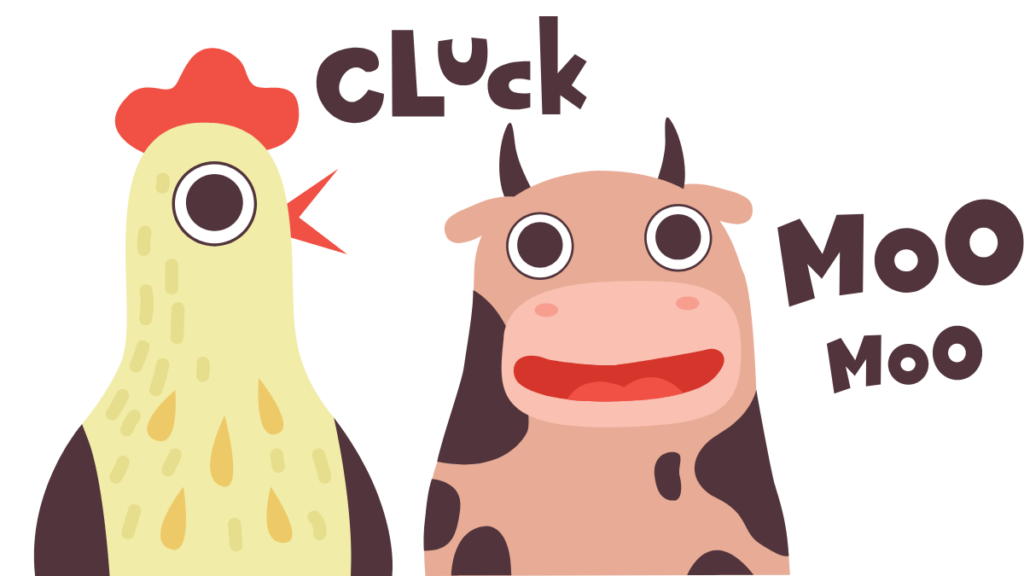
    Learning animal sounds is more than just a fun activity for children – it plays a crucial role in their early development. From cognitive growth to social skills, understanding and mimicking animal noises offers numerous benefits for young minds. Let’s explore why this seemingly simple skill is so valuable for kids.

    Here are Five Fantastic Benefits of Your Child Learning Animal Sounds:

    Language Development

    One of the primary benefits of learning animal sounds is its impact on language development. When children learn to imitate different animal noises, they’re actually practicing necessary speech skills:

    • Phonological awareness: Distinguishing between different sounds is a fundamental aspect of language acquisition.
    • Articulation: Producing various animal sounds helps children exercise their vocal cords and mouth muscles, improving their ability to form words.
    • Vocabulary expansion: Learning animal names alongside their sounds introduces new words in a memorable way.
    Cognitive Skills

    Animal sounds also contribute to broader cognitive development:

    • Memory: Associating specific sounds with particular animals enhances a child’s memory skills.
    • Categorization: Grouping animals by their sounds (e.g., animals that bark or meow) helps develop categorization abilities.
    • Auditory processing: Distinguishing between different animal noises sharpens auditory discrimination skills.

    Social and Emotional Development

    Believe it or not, animal sounds can play a role in social and emotional growth:

    • Empathy: Understanding that different animals make different sounds can be an early lesson in recognizing and respecting differences.
    • Confidence: Mastering animal sounds gives children a sense of accomplishment and boosts their confidence in communication.
    • Social interaction: Sharing animal sounds with peers or family members encourages social engagement and play.

    Cultural Awareness

    Animal sounds vary across languages and cultures, offering an opportunity for cultural learning:

    • Linguistic diversity: Discovering that a rooster’s “cock-a-doodle-doo” in English is “ki-ki-ri-ki” in Spanish introduces the concept of language differences.
    • Global awareness: Learning about animals from different parts of the world broadens a child’s understanding of global diversity.

    Nature Connection

    Familiarity with animal sounds can foster an early connection to nature:

    • Environmental awareness: Recognizing animal sounds in nature encourages children to pay attention to their environment.
    • Interest in wildlife: This early fascination with animal noises can spark a lifelong interest in animals and conservation.

    While it may seem simple, learning animal sounds is a multifaceted activity that contributes significantly to a child’s development. It supports language skills, cognitive growth, social-emotional development, cultural awareness, and connection to nature. So the next time you hear a child enthusiastically mooing like a cow or roaring like a lion, remember – they’re not just playing, they’re learning valuable skills for life.

    Favorite Animal Sounds Books

    • Moo, Baa, La La La! by Sandra Boynton
    • Peek-a-Who? by Nina Laden
    • Oh Dear!: A Farm Lift-the-Flap Book by Rod Campbell
    • Do Cows Meow? by Salina Yoon

    What to Read Next:

    1. What to do When Your Child Hates to Read
    2. 20 Sites to Improve Your Child’s Literacy
    3. 10 Educational Websites to Improve Reading Skills and More
    4. Literacy Development Starts at Home: Parents Play a Crucial Role

    *Disclosure: Please note that this post may contain affiliate links that share some commission. Rest assured that these will not affect the cost of any products and services promoted here. Our team always provides their authentic opinion in all content published on this site.

    Animals Farm Animals Growing Readers Column Literacy Activities Reading Reading Tips
    Share. Facebook Twitter Pinterest LinkedIn Tumblr Email
    Previous ArticleOfficer Blue, by Victoria and Corbin Thomas | Dedicated Review
    Next Article The Pirates of Bathtub Bay | Dedicated Review
    Bianca Schulze
    • Website
    • Facebook
    • X (Twitter)
    • LinkedIn

    Bianca Schulze is the founder of The Children’s Book Review. She is a reader, reviewer, mother and children’s book lover. She also has a decade’s worth of experience working with children in the great outdoors. Combined with her love of books and experience as a children’s specialist bookseller, the goal is to share her passion for children’s literature to grow readers. Born and raised in Sydney, Australia, she now lives with her husband and three children near Boulder, Colorado.

    Leave A Reply Cancel Reply

    This site uses Akismet to reduce spam. Learn how your comment data is processed.

    TCBR Supporter
    Recent Articles
    • 24 of the Best Young Adult Books of 2025
    • Penn Holderness Talks About New Book ‘All You Can Be with ADHD’
    • Kloe’s New Friendship, by K.M. Selvidge | Awareness Tour
    • 38 of the Best Middle Grade Books of 2025
    • Claire & Whiskers, by Karen J. Fernandez | Dedicated Review
    TCBR Supporters
    sponsored | become a TCBR supporter today
    sponsored | become a TCBR supporter today
    sponsored | become a TCBR supporter today

    sponsored | become a TCBR supporter today
    Discover Kids Books by Age
    Best Books For Kids
    Media Kit: The Children's Book Review
    Author and Illustrator Showcase
    SEARCH
    BOOKS BY SUBJECT
    Archives
    Professional Resources

    Book Marketing Campaigns

    Writing Coaches and Editing Services

    Mentorship

    Facebook X (Twitter) Instagram Pinterest YouTube LinkedIn TikTok
    • Submission Guidelines
    • Policies
    • Advertise
    • TCBR Buzzworthy Mentions
    • About TCBR
    © 2025 The Children’s Book Review. All rights reserved.

    Type above and press Enter to search. Press Esc to cancel.